by radiocafe | Nov 2, 2021 | Activism, Down to Earth, Food & agriculture, Race/class/gender
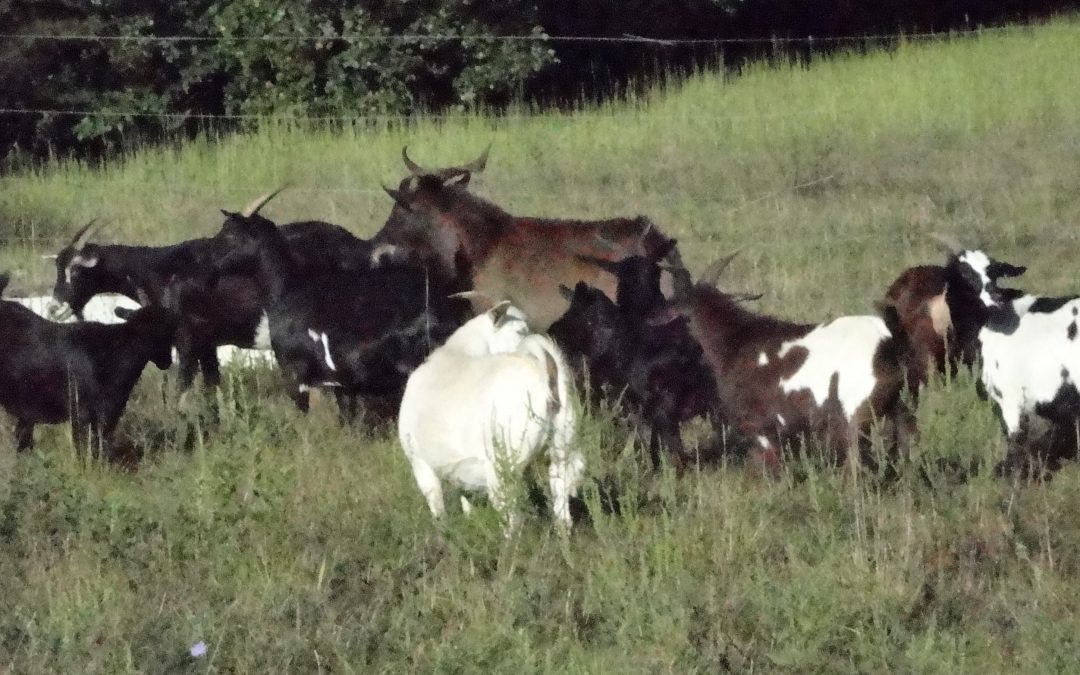
Renard Turner and his wife are agrarian entrepreneurs who produce local, sustainable, regenerative food at their Virginia goat farm–and they provide a model for future farmers and homesteaders.
Learn more …
by radiocafe | Oct 19, 2021 | Down to Earth, Food & agriculture, Native & indigenous
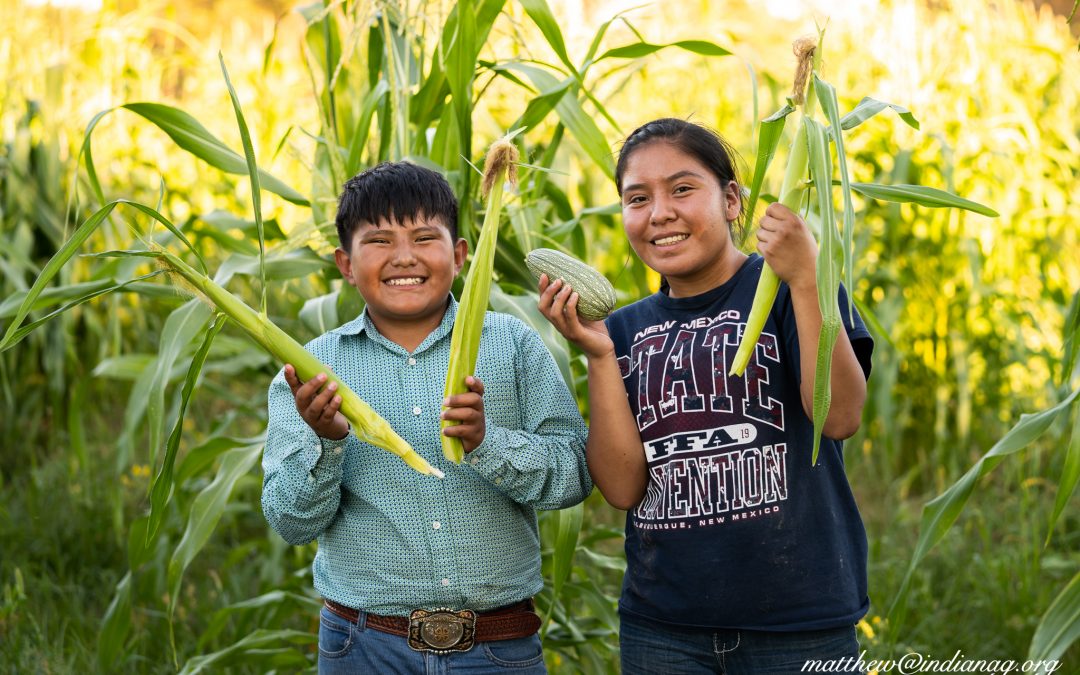
Latashia Redhouse helps Native American food producers get their products out into the world—and supports their traditional and regenerative agriculture practices.
Learn more …
by radiocafe | Sep 21, 2021 | Activism, Books, Down to Earth, Environment, Food & agriculture
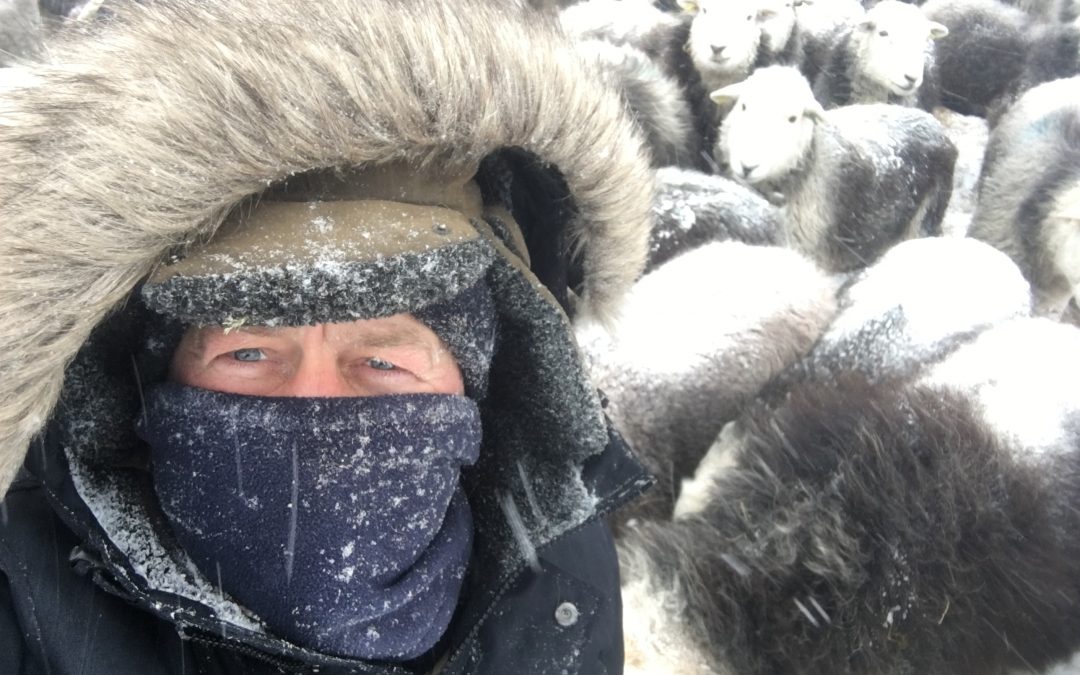
Farmer James Rebanks tells the story of a thousand-year old farming tradition—which was almost destroyed by “improvement”—and how he’s rebuilding long-term sustainability.
Learn more …

by radiocafe | Aug 23, 2021 | Books, Down to Earth, Environment, Food & agriculture
Dr. Emeran Mayer connects the human and soil microbiomes—both stretched to their limits and beyond by today’s diet, lifestyle, and industrial practices. And he tells us how we can eat and grow food in a way that heals the body, the economy, and the planet.
Learn more …
by radiocafe | Aug 9, 2021 | Activism, Down to Earth, Environment, Food & agriculture, New Mexico
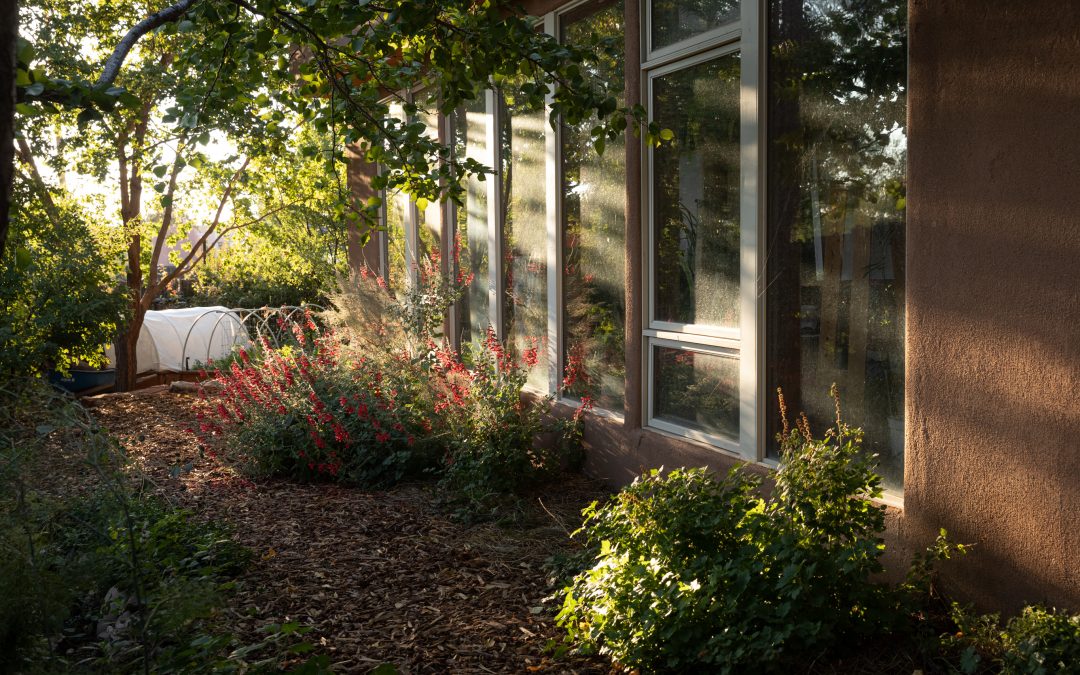
Reese Baker has a vision for greening urban landscapes—and he wants to make Santa Fe an example of how to do it, by catching rainwater from roofs, streets, and parking lots, and channeling it into gardens, trees, and soil.
Learn more …

by radiocafe | Jul 28, 2021 | Down to Earth, Environment, Food & agriculture, New Mexico
Orchardist Gordon Tooley knows apple trees–and has been cultivating rare and heirloom varieties for three decades. But for him it’s as much about the landscape and lifestyle as about the product. We talk about living slowly, observing closely, and promoting healthy land, water, wildlife, and human communities.
Learn more …
by radiocafe | Jun 16, 2021 | Down to Earth, Environment, Food & agriculture
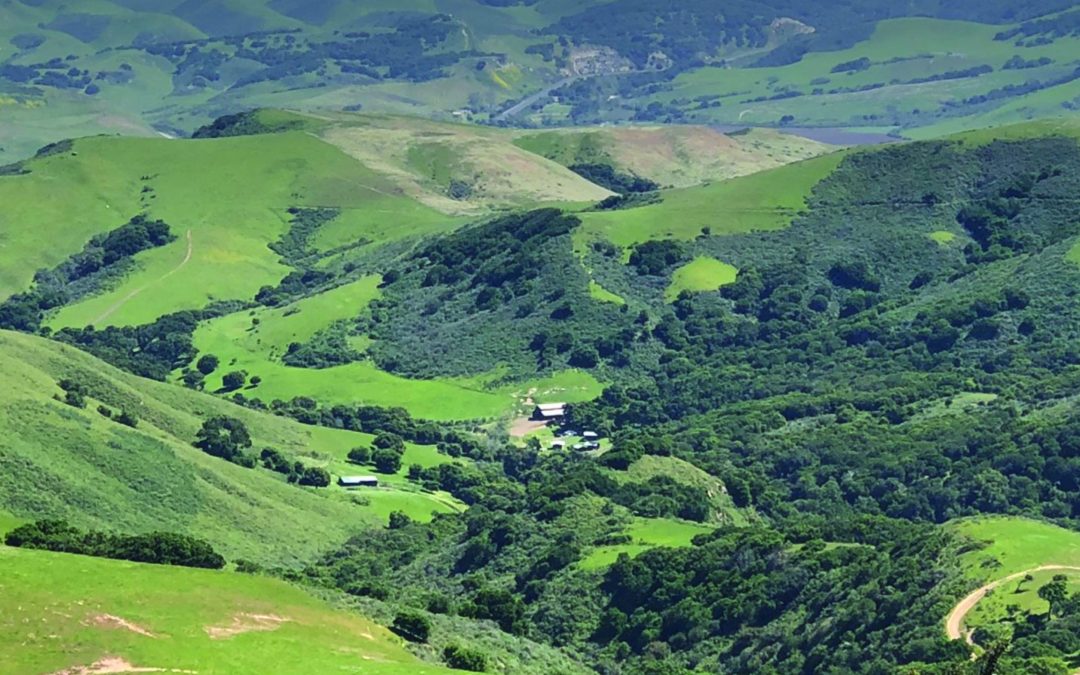
Jesse Smith‘s work aims for the opposite of planned obsolescence—the goals at Jalama Canyon Ranch are resilience and perennial productivity, through restoration of ecosystems and a truly regenerative vision of agriculture.
Learn more …
by radiocafe | Jun 1, 2021 | Down to Earth, Environment, Food & agriculture
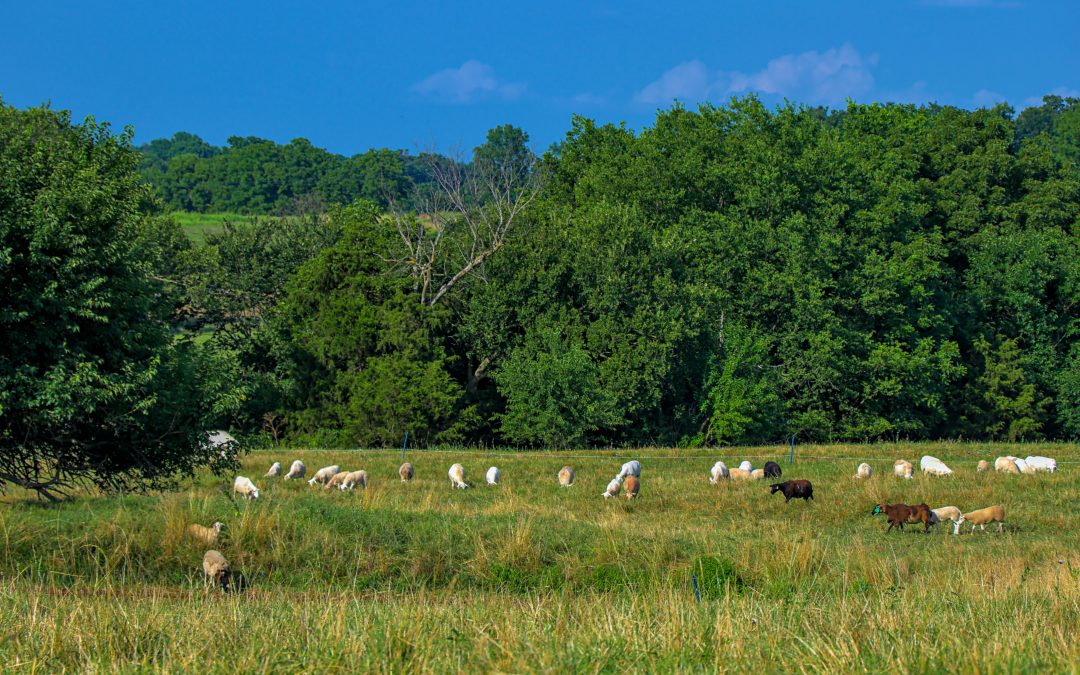
Getting certified for grassfed meat can be challenging–but the American Grassfed Association supports producers in regenerative practices that are good for the earth, the farmer, and the eater.
Learn more …
by radiocafe | May 17, 2021 | Down to Earth, Environment, Food & agriculture
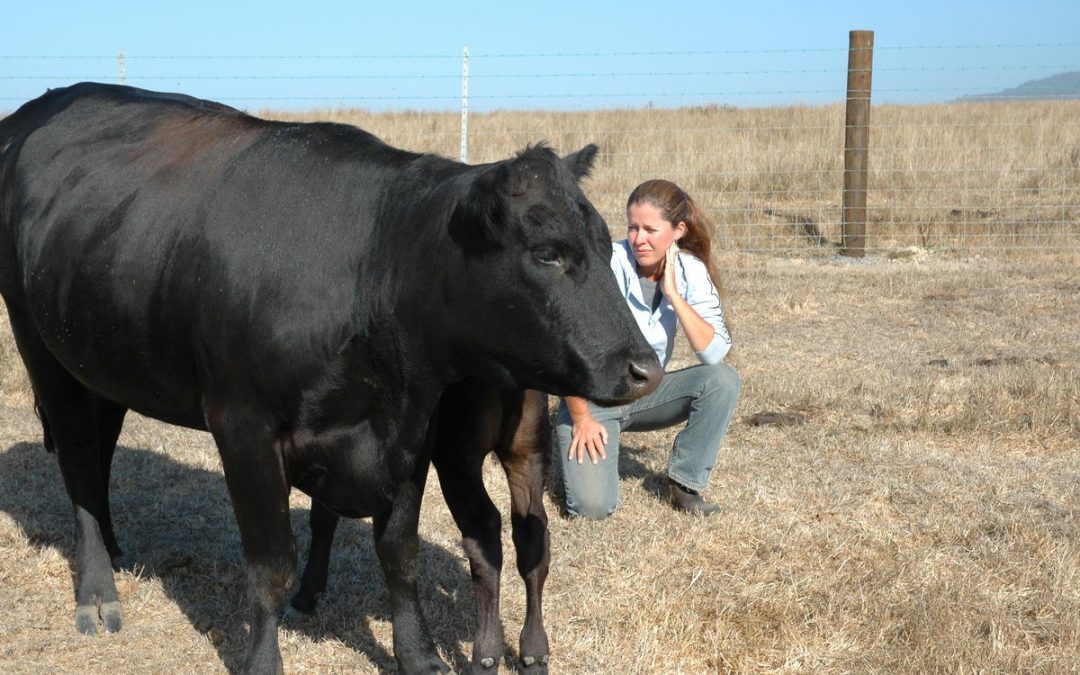
Nicolette Hahn Niman was an environmental lawyer and vegetarian when she married a rancher—so she has a unique and broad-based perspective on agriculture. We discuss the new edition of her book, Defending Beef: The Ecological and Nutritional Case for Meat.
Learn more …
by radiocafe | May 4, 2021 | Down to Earth, Environment, Food & agriculture, Native & indigenous, Science & health
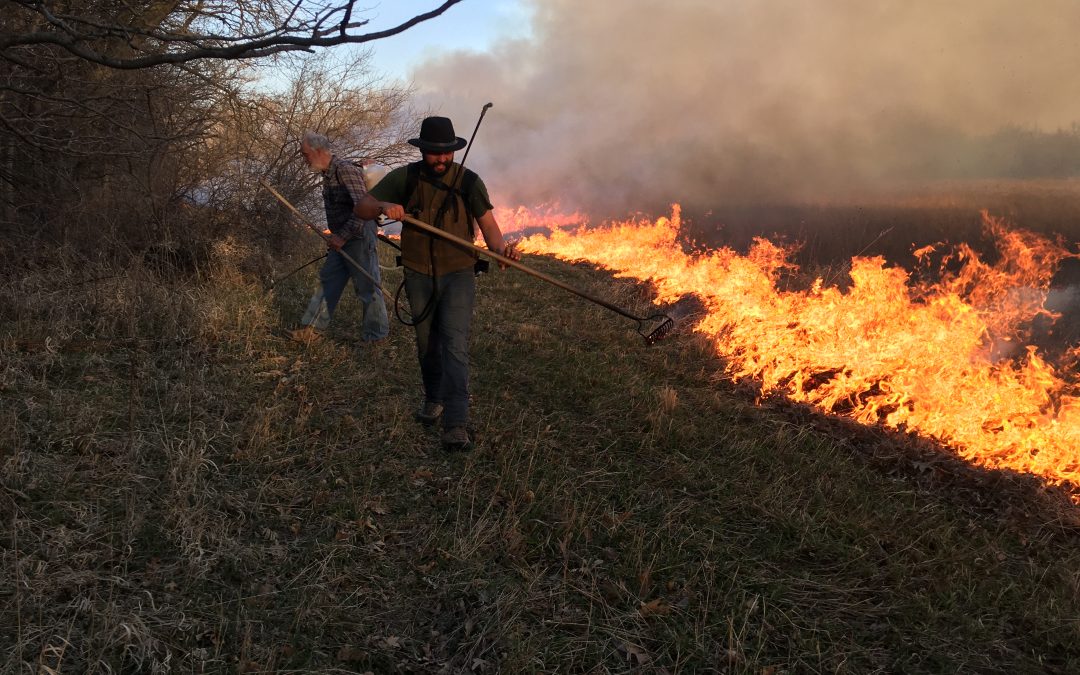
Native Americans used fire and other methods to cultivate food on the prairie. In the 20th century it was plowed under for endless rows of monocrops. Omar de Kok-Mercado is part of a team that is working to make prairie land ecologically–and economically–sustainable.
Learn more …