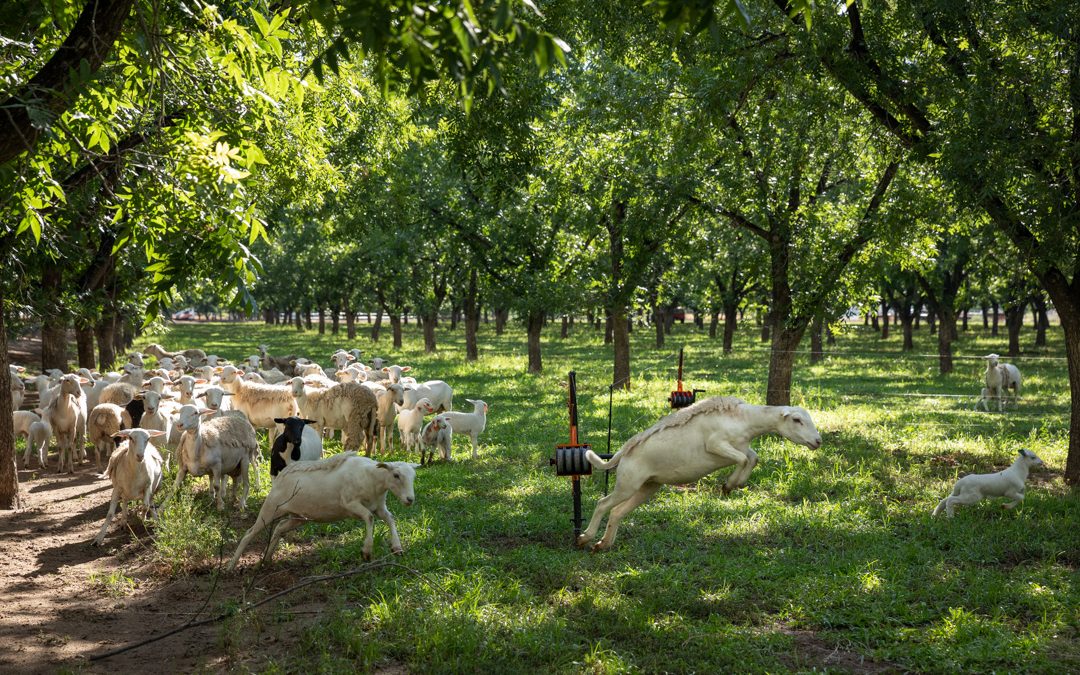
by radiocafe | Nov 16, 2021 | Down to Earth, Environment, Food & agriculture, New Mexico, Science & health
Soil microbiologist David Johnson has been collaborating with pecan farmer Josh Bowman to cultivate healthy soil that retains water and produces a more abundant—and more profitable—harvest.
Learn more …
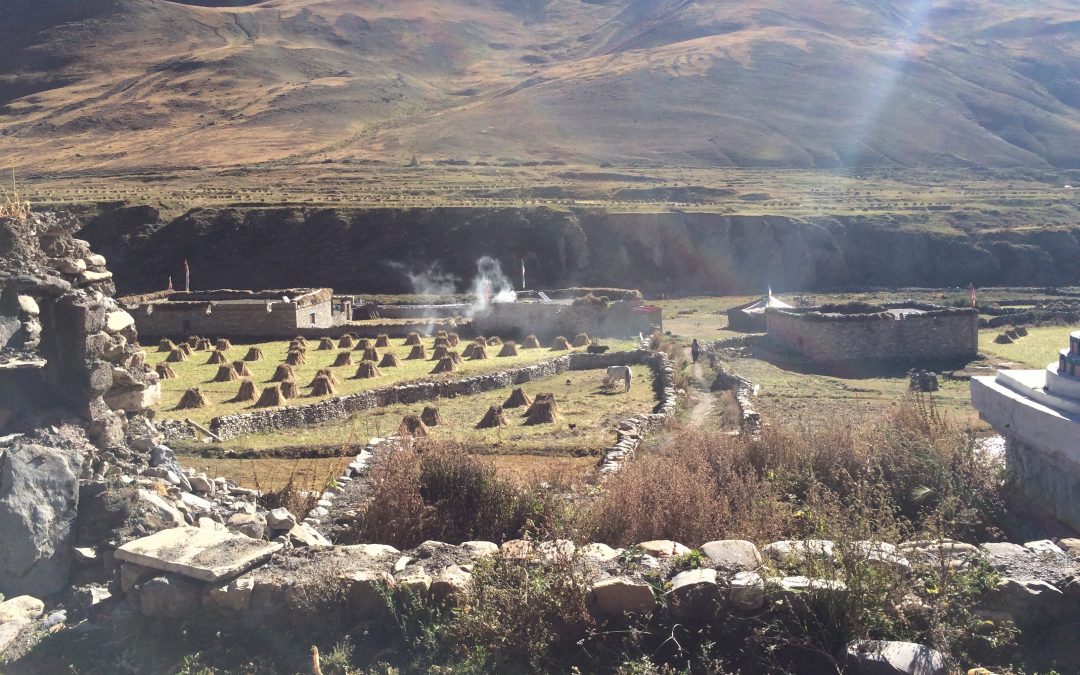
by radiocafe | Oct 5, 2021 | Books, Down to Earth, Environment, Food & agriculture, Spirituality & religion
Author Bill deBuys reflects on what people are doing to land, water, and climate from high in the Himalayas, in his new book, The Trail to Kanjiroba, and how we can begin letting go of despair and do our part for the earth’s restoration.
Learn more …
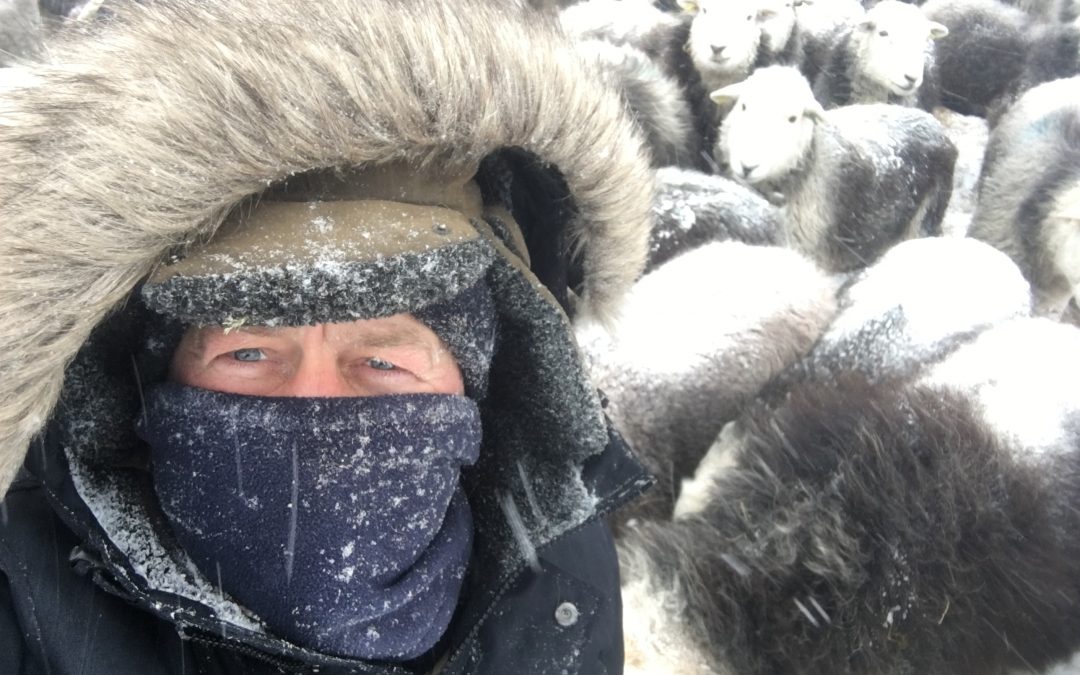
by radiocafe | Sep 21, 2021 | Activism, Books, Down to Earth, Environment, Food & agriculture
Farmer James Rebanks tells the story of a thousand-year old farming tradition—which was almost destroyed by “improvement”—and how he’s rebuilding long-term sustainability.
Learn more …

by radiocafe | Sep 7, 2021 | Activism, Books, Down to Earth, Environment, Food & agriculture
With the best of intentions and technological innovation, we have broken the world’s water cycle. Now, says water expert Sandra Postel, we need to work with nature in order to restore it—if we want to survive, thrive, and, well, eat.
Learn more …

by radiocafe | Aug 23, 2021 | Books, Down to Earth, Environment, Food & agriculture
Dr. Emeran Mayer connects the human and soil microbiomes—both stretched to their limits and beyond by today’s diet, lifestyle, and industrial practices. And he tells us how we can eat and grow food in a way that heals the body, the economy, and the planet.
Learn more …
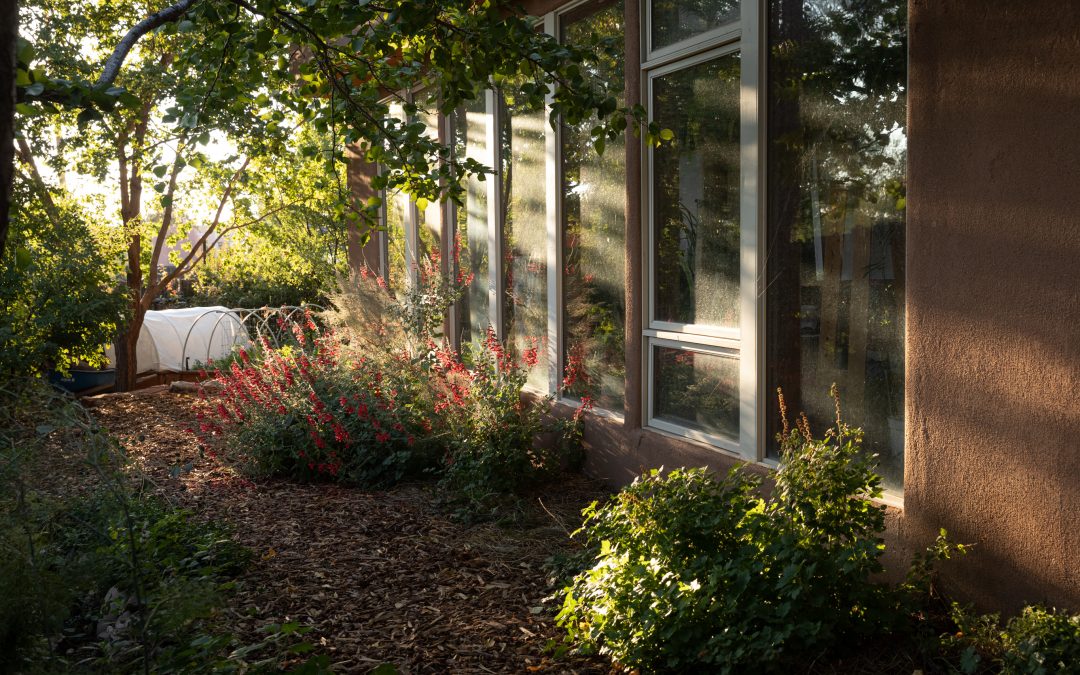
by radiocafe | Aug 9, 2021 | Activism, Down to Earth, Environment, Food & agriculture, New Mexico
Reese Baker has a vision for greening urban landscapes—and he wants to make Santa Fe an example of how to do it, by catching rainwater from roofs, streets, and parking lots, and channeling it into gardens, trees, and soil.
Learn more …
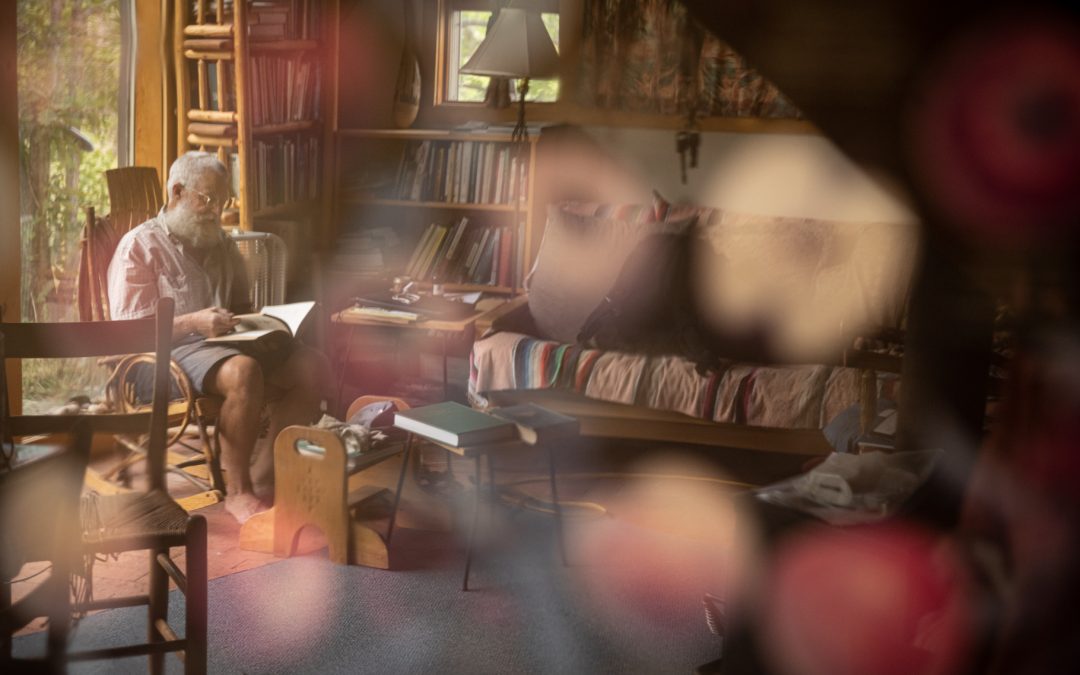
by radiocafe | Jul 28, 2021 | Down to Earth, Environment, Food & agriculture, New Mexico
Orchardist Gordon Tooley knows apple trees–and has been cultivating rare and heirloom varieties for three decades. But for him it’s as much about the landscape and lifestyle as about the product. We talk about living slowly, observing closely, and promoting healthy land, water, wildlife, and human communities.
Learn more …
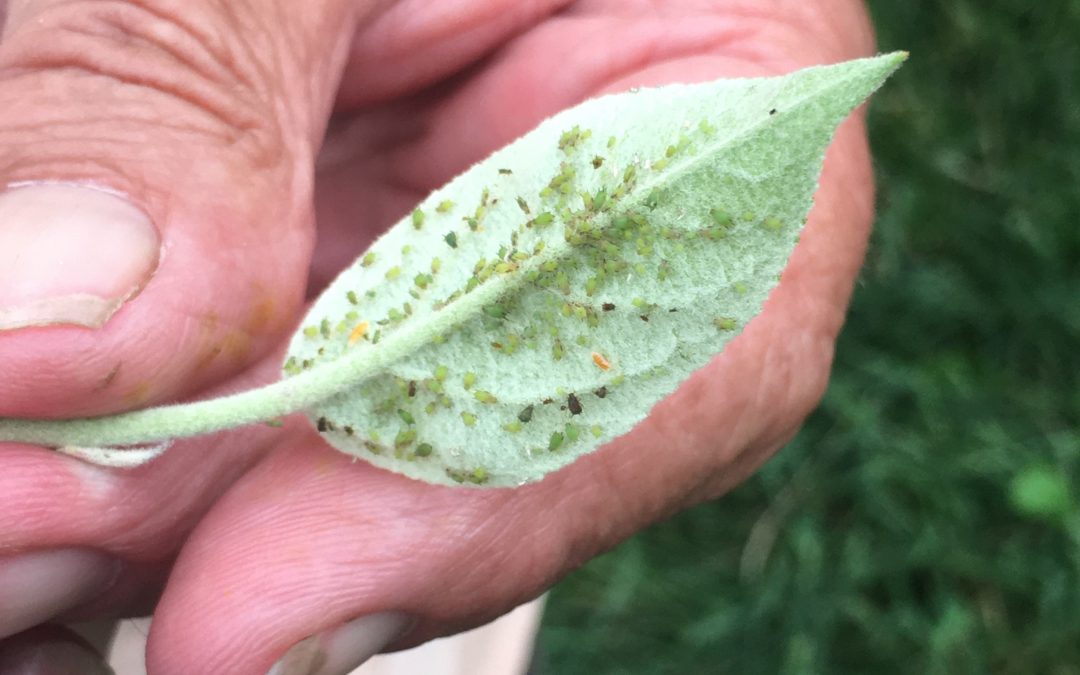
by radiocafe | Jul 12, 2021 | Down to Earth, Environment, Food & agriculture
New England is lush and green—and all kinds of creatures want to eat a farmer’s crops. Apple grower and cider maker Steve Wood talks about Integrated Pest Management and its challenges.
Learn more …
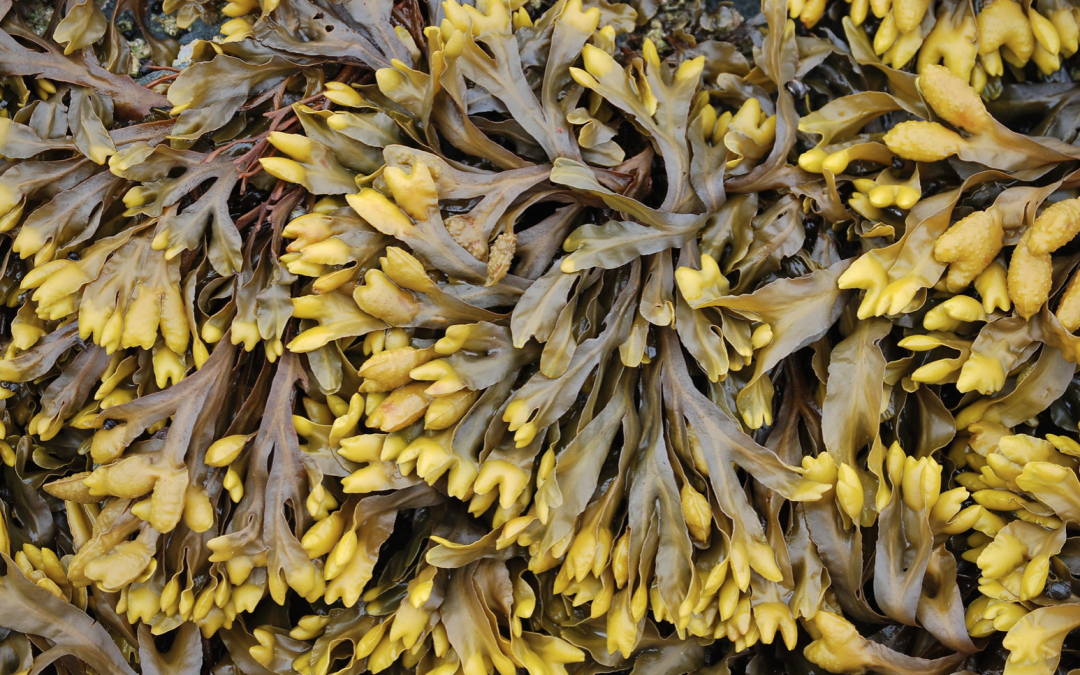
by radiocafe | Jun 30, 2021 | Down to Earth, Environment, Food & agriculture
Seaweed has always been used for food, fertilizer, and medicine. But now, off the coast of Maine, over-harvesting threatens rockweed and the many species that depend on it.
Learn more …
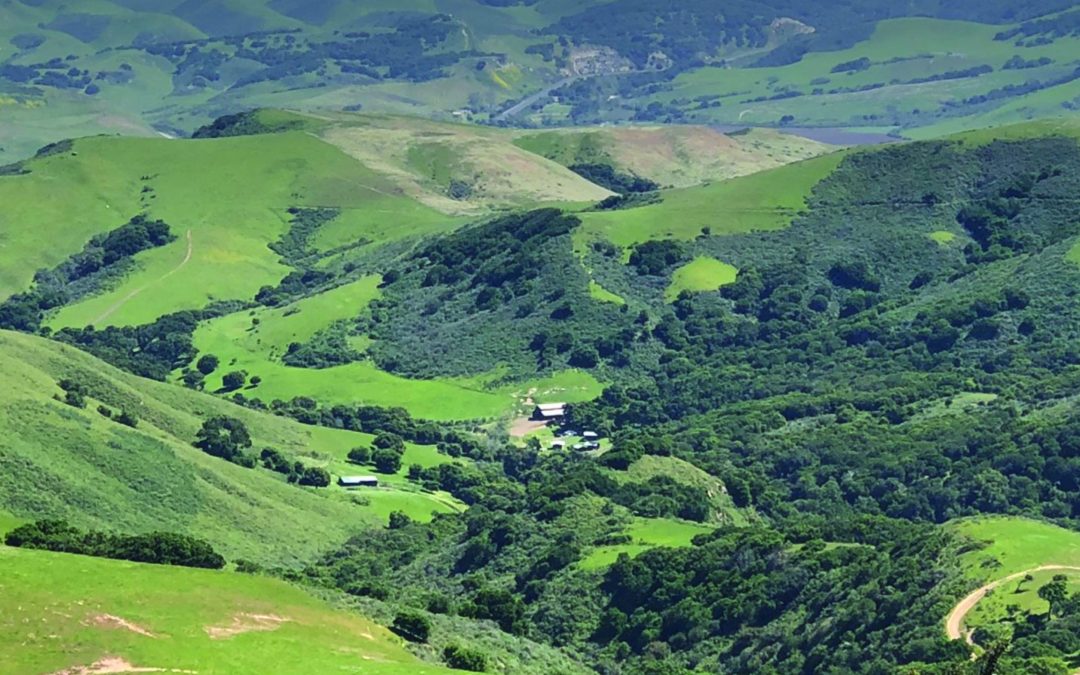
by radiocafe | Jun 16, 2021 | Down to Earth, Environment, Food & agriculture
Jesse Smith‘s work aims for the opposite of planned obsolescence—the goals at Jalama Canyon Ranch are resilience and perennial productivity, through restoration of ecosystems and a truly regenerative vision of agriculture.
Learn more …