

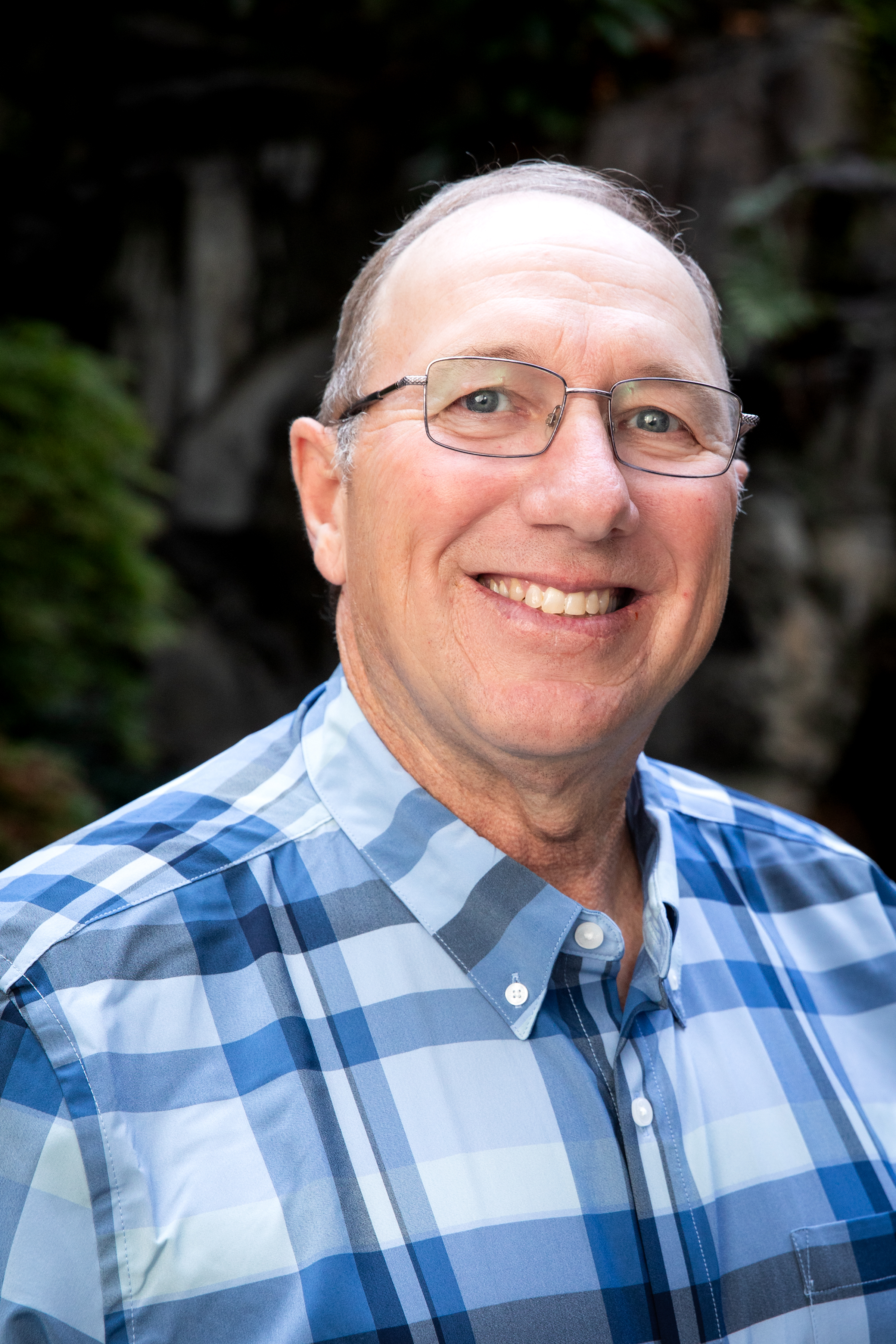
Joe Heinrich comes from a multi-generation Iowa farming family. As executive director of the non-profit Farm-to-Power, he’s helping farmers to navigate the new world of renewable energy. Solar and wind developers are looking for land, which farmers have; farmers are looking for extra income streams, which energy can provide.
But what happens to land with utility-scale energy installations? Some farmers are making sure that the panels are high enough off the ground that cattle can graze under them—and take advantage of the shade they provide. Others are grazing sheep under the panels, providing landscaping services and keeping the land healthy. Still others are growing crops. All of these are examples of agrovoltaics, or what Heinrich calls “double cropping”—harvesting food and energy at the same time.
TIMELINE
1’56 how Joe got involved with renewable energy for farmers
5’33 renewable energy contracts are lucrative for the farmer, but you need a good attorney
6’57 potential pitfalls
8’35 important to find the right attorney
10’22 increasing amount of agrovoltaics
11’20 monarch butterfly habitat possibly compatible with solar panels and pollinator gardens
13’09 solar panels as shade structures that cool the ground and livestock
14’07 the size of the installations
15’21 increasing need for electricity in the US, renewables the best choice
17’03 solar developers and how they work with farmers and utilities
18’00 the energy production needs to be close to the grid
18’24 the transmission lines are getting so much more energy pushed through them
21’07 the role of federal, state, and local governments in incentivizing and regulating these projects
23’41 the role of Farm to Power in bringing the conversation from anger and emotion to facts and economics
25’00 getting the farm to the next generation by making it economically sustainable
25’48 the anger and polarization
27’23 electricity as another crop you can produce in the effort to diversify
29’37 opening up possibilities for being able to do more regenerative practices
31’17 the midwest well suited to wind
33’14 they’re in six states actively and more coming up
34’38 producing webinars to educate about key issues
36’54 the importance of energy storage

Subscribe:
Apple Podcasts
Spotify