

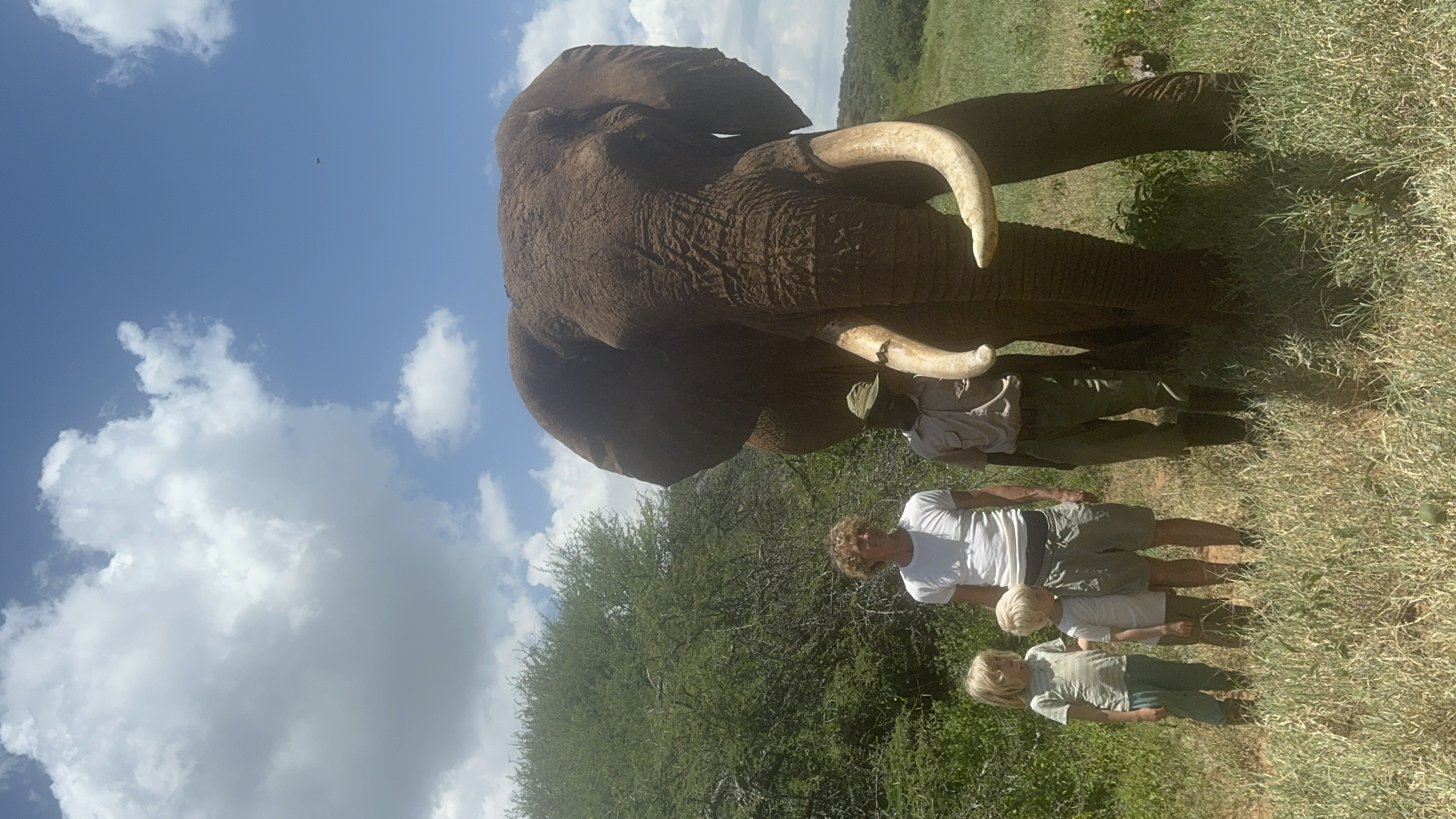
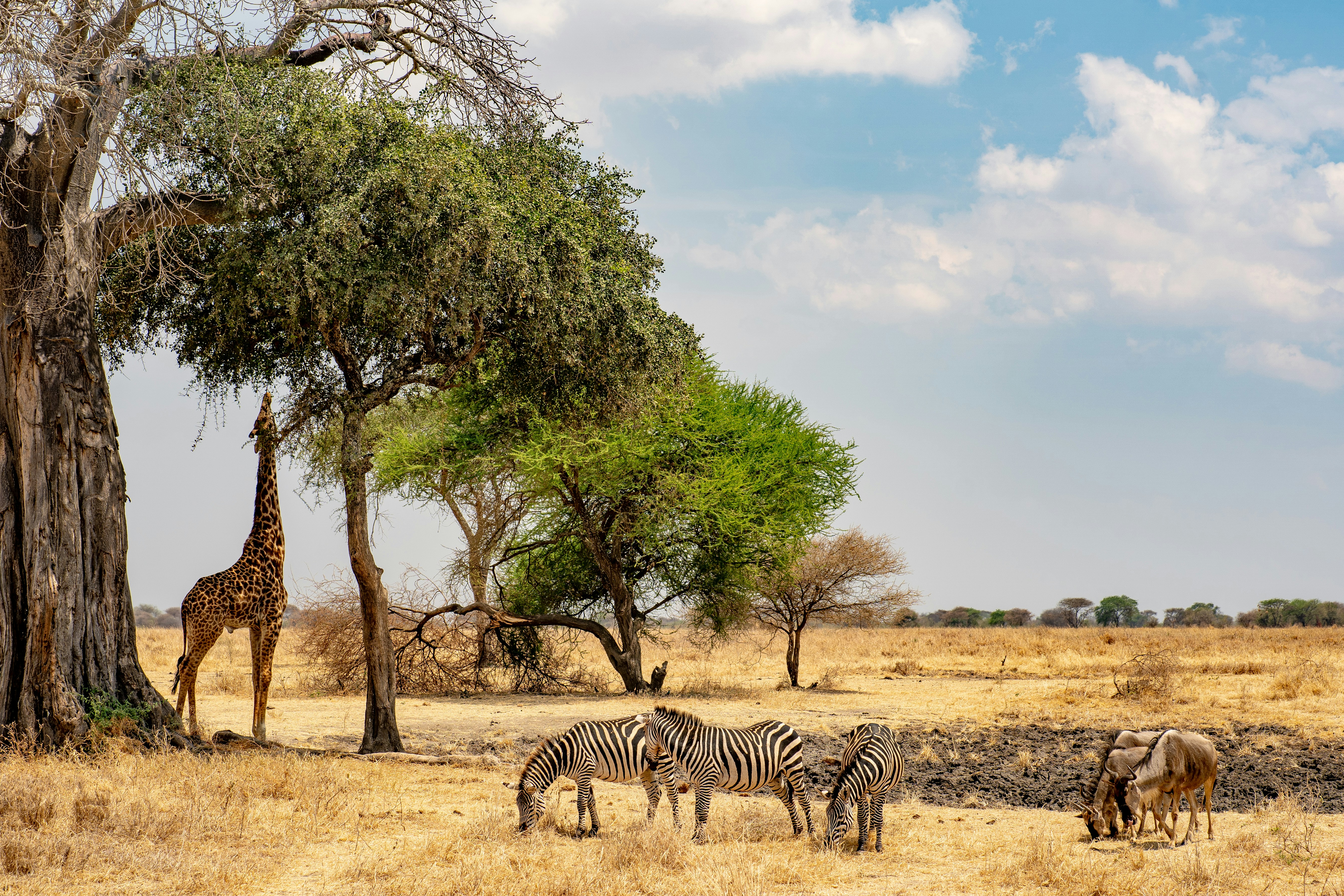
Nate Chisholm is in a lifelong exploration of the savanna ecosystem—the landscape in which the first human societies evolved, and some of the most biodiverse places on the planet. Savannas are where we learned to hunt and gather. Ironically, as human beings developed technology, starting with stone tools, we altered these landscapes by over-hunting large animals, leading to degradation of the land and eventually the loss of most of the savannas themselves.
According to Chisholm, the degradation of land through technology is the root of all our modern problems—but we can return to balance by restoring savanna landscapes, and restoring the savanna roots of our own psyches.
Chisholm is a livestock grazer, with a background in forestry and ecologically based land management. He started two ranching businesses in the US and is currently living in Kenya and working on a book called Savanna.
TIMELINE
2’14 what is a savanna
3’39 savanna was everywhere, but not so much now
4’39 nature geek since childhood, grandmother took him to Tanzania as a kid, having the feeling of the Eden
7’11 a bison ecosystem is already a degraded ecosystem–the North American continent had all kinds of large animals before human beings got there
8’22 grass survived by giving its leaves away to herbivores (instead of defending against them)
9’31 trees evolved to keep out competing grass, so grass and trees are always in a push-pull
12’03 the many animals on the North American continent historically
13’32 human technology is bad for biodiversity from the earliest stone tools
15’03 every time there’s an advance in technology there’s a wave of extinction of the most sought-after species
16’45 how extinction changes the ecosystem
17’19 a desert is a savanna that’s lost its grass
18’19 how degraded ecosystems give rise to agriculture
18’57 leaving technology behind in his early 20s, learning about where food was in nature
20’57 modern problems caused by habitat loss
22’40 consequences of agriculture that we didn’t have instinctual responses to–like a lot of concentration of food and resources…which leads to conflict and war
24’47 what our earliest ancestors ate: roots, fruits, meat, nuts, and honey
26’30 how our history on the savanna informs our psychology and social interactions
27’59 how existing savanna hunter-gatherers live today, including child-rearing
30’58 trying to take savanna ways into the modern world, which isn’t easy
33’18 the importance of never running out of grass
35’25 the part of the savanna called “the grazing lawn”
37’20 the many ways to restore savannas in the modern world

Subscribe:
Apple Podcasts
Spotify